
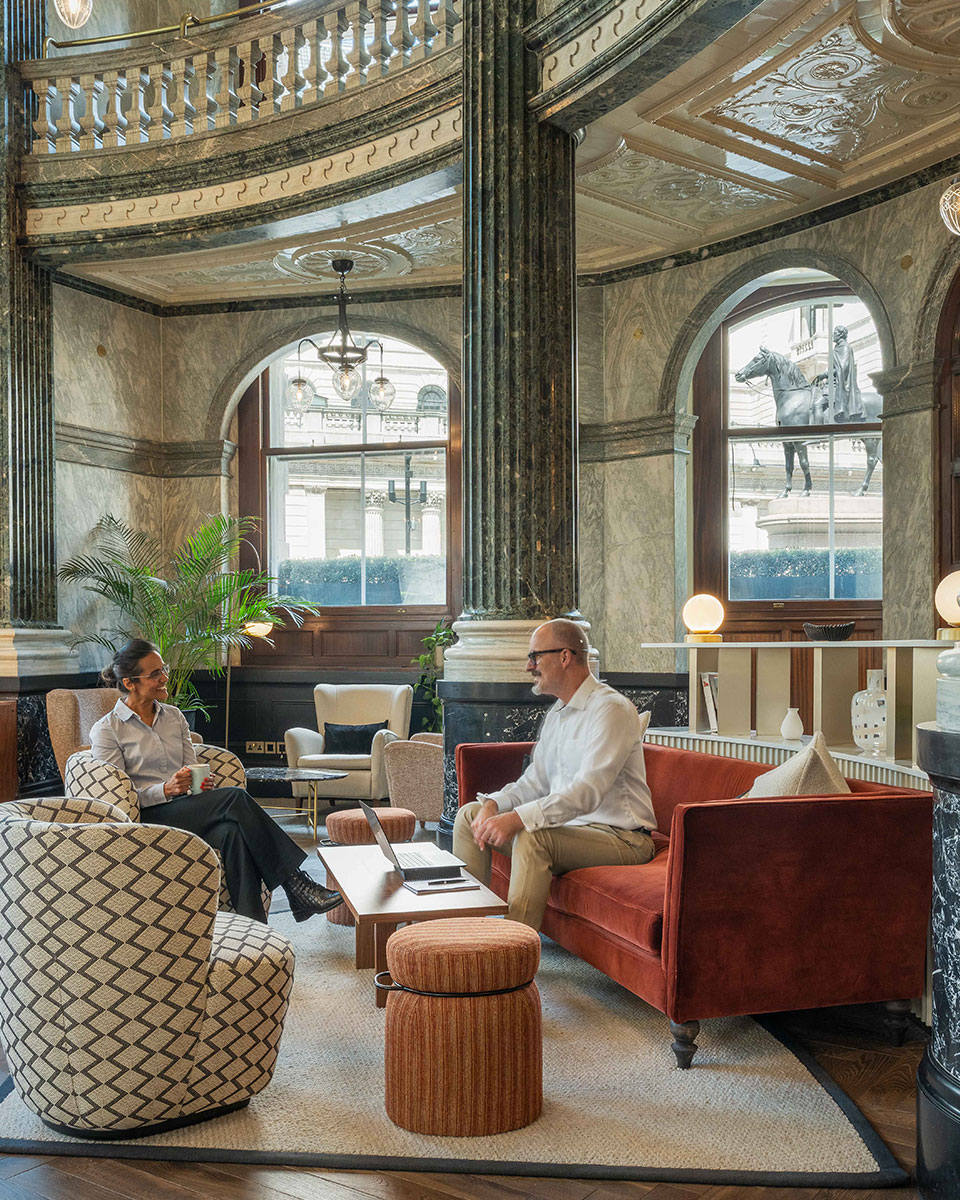
The conversation around how and where we work has moved on. For ambitious businesses, the question is no longer whether to embrace flexibility, but how to make every working day count, wherever it happens. Whether your team gathers in a distinctive London office space five days a week, works entirely from home or splits the week between the two, the model you choose shapes your culture, your reputation and your results.
In this guide, we look at the real differences between hybrid, remote and on-site working, consider what the latest data tells us about how working patterns are shifting, and explore the practical considerations that matter when you’re deciding which approach is right for your business.
Key takeaways:
- Hybrid working is now the most common flexible working model in the UK, with 28% of working adults splitting their week between office and home.
- On-site working remains essential for certain roles and offers the clearest separation between work and home.
- For most ambitious businesses, a thoughtful hybrid approach delivers the strongest balance of flexibility, culture and reputation.
- When your team is only together two or three days a week, the quality of your office environment matters more than ever.
- Getting the most out of your working model relies on an office space that reflects your business and meets your working needs.
Table of contents
What do hybrid, remote and on-site actually mean?
The terms hybrid, remote and on-site are used constantly, yet their precise meaning varies between organisations. Before exploring which model suits your business, it’s worth being clear on the definitions.
What is hybrid working?
Hybrid working is a flexible arrangement in which you split your working week between a physical office and another location, usually home. It can take several forms: fixed hybrid, where your office days are set; flexible hybrid, where you choose day by day; or office-first, where the workplace is your primary base with some remote flexibility built in. The balance depends on your company, your role and your personal preference.
What is remote working?
Remote working means performing your role entirely outside a traditional office, whether from home, a coworking space, a library or anywhere with a reliable connection. People often ask whether remote simply means working from home. The two terms tend to be used interchangeably, but remote is the broader description: it covers any arrangement where there’s no expectation to commute, and where your day-to-day work relies on video calls, messaging platforms and cloud-based collaboration.
What is on-site working?
On-site working is a model in which you’re physically present at your workplace for all or most of your working hours. Certain roles and industries will always require it, and even within businesses that operate a hybrid model, some team members may be on-site by choice or necessity. It offers direct collaboration, face-to-face relationships and a clear separation between work and home.
The difference between hybrid and remote work
Understanding this distinction matters when you’re shaping a working culture that reflects your business. With a hybrid model, your team retains the benefits of in-person connection and client engagement on the days they’re together, whilst enjoying the focus and flexibility that come with working remotely on other days. A fully remote model removes the physical office entirely, relying on digital tools to keep people aligned.
The right choice depends on several things: your industry, the size of your team, your client expectations and the culture you want to build. For reputation-conscious businesses, a hybrid approach preserves the opportunity to host clients in an impressive setting, build relationships face-to-face and maintain a distinctive workplace identity. Fully remote can offer greater geographical flexibility and, for some teams, a welcome reduction in commuting time. Neither is inherently superior. What matters is choosing the approach that genuinely supports how your people work best.
What data tells us about the rise of hybrid working
The shift towards hybrid working is not a passing trend. According to the ONS, more than a quarter of working adults in Great Britain (28%) were working in a hybrid arrangement between January and March 2025, a proportion that has risen steadily since 2022. During the same period, the share of workers commuting every day has declined. Workers with degree-level qualifications are ten times more likely to work this way, reflecting the pattern we see across London’s professional landscape.
Our own analysis of the latest hybrid work data reinforces this picture. Just 22% of workers now attend the office five days a week, and London has a notably higher hybrid adoption rate at 68%. For discerning businesses, this confirms that flexible working patterns are now the expectation rather than the exception, and that the quality of your office environment matters more than ever when you’re only using it two or three days a week.
Why your office experience matters more than ever
If your team is only together two or three days a week, those days need to be worth the journey, a reality that makes getting your office environment right all the more important. The most effective working models depend on having the right physical space for the time you spend together: somewhere designed for focused work, collaborative sessions, impressive client meetings and the kind of informal conversation that builds trust and culture.
Consider what your workspace says about your business. A prestigious address in one of London’s most sought-after locations signals confidence and credibility. Distinctive buildings with architectural character leave a lasting impression on visiting clients. A considered mix of formal meeting rooms, private working areas and relaxed social spaces ensures your team can move between tasks without friction. And an experienced on-site team, attentive and discreet, makes the everyday experience feel effortless.
For any hybrid arrangement to succeed, the office needs to earn its place in the week. It should be a space your team actively looks forward to using, not merely a desk to sit at.
Practical considerations for effective hybrid working
Getting the most from a hybrid approach involves a few considered choices. Think about aligning team days so your people are together when it matters most, whether that’s for collaborative project sessions, client meetings or the kind of informal catch-ups that strengthen working relationships. Reserve quieter remote days for focused, individual work.
For smaller teams, or those who don’t need a permanent desk every day, access to coworking spaces and meeting rooms can be a sophisticated alternative to committing to a full-time office. It gives you the flexibility to scale your workspace with your business, whilst still providing a refined, professional environment for the days you need it. Flexible terms that adapt to your needs, rather than locking you in, are increasingly valuable for businesses navigating this way of working.
How Argyll can support the way you work
Private offices and coworking designed for hybrid teams
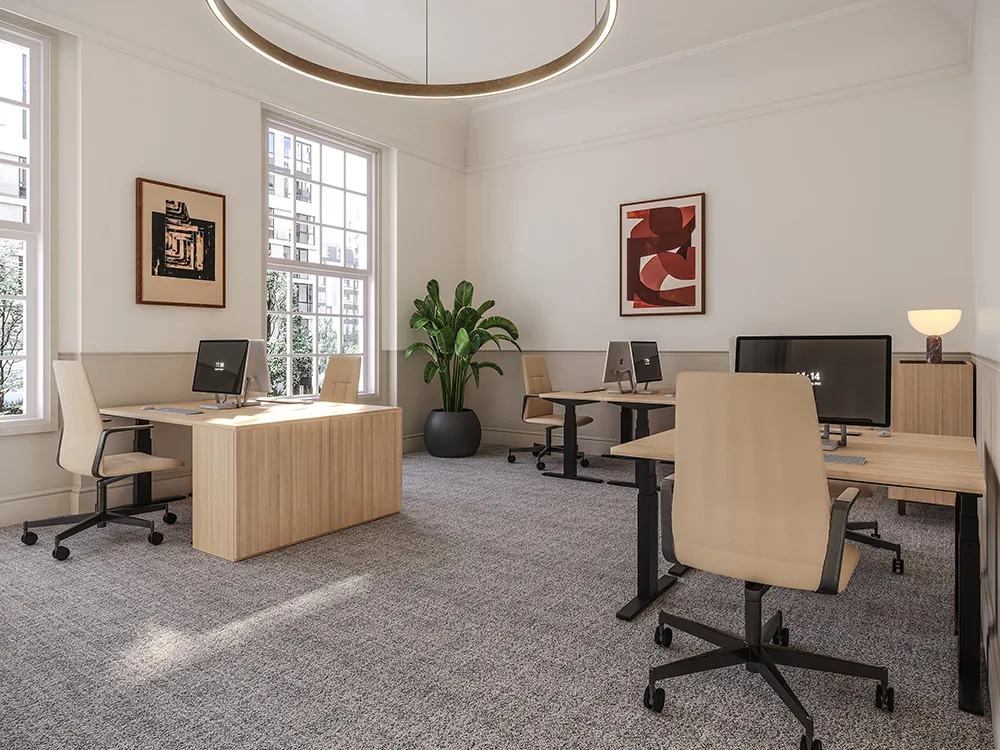
Our collection of private offices in London gives your team a dedicated, prestigious base for the days you’re together. Each space is designed to support everything from focused individual work to collaborative sessions and client-facing meetings. Because we never brand our spaces, the environment feels like yours, designed to embody your style, your ambition and your reputation. Our experienced and attentive on-site team works discreetly alongside your business, so the everyday experience is thoughtful and seamless.
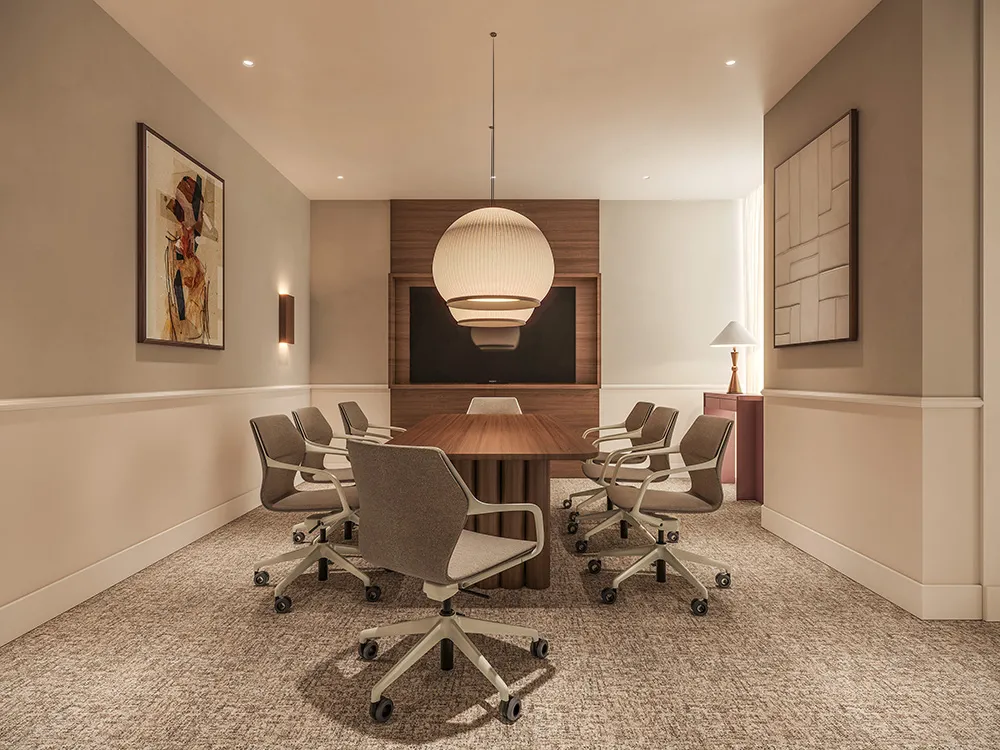
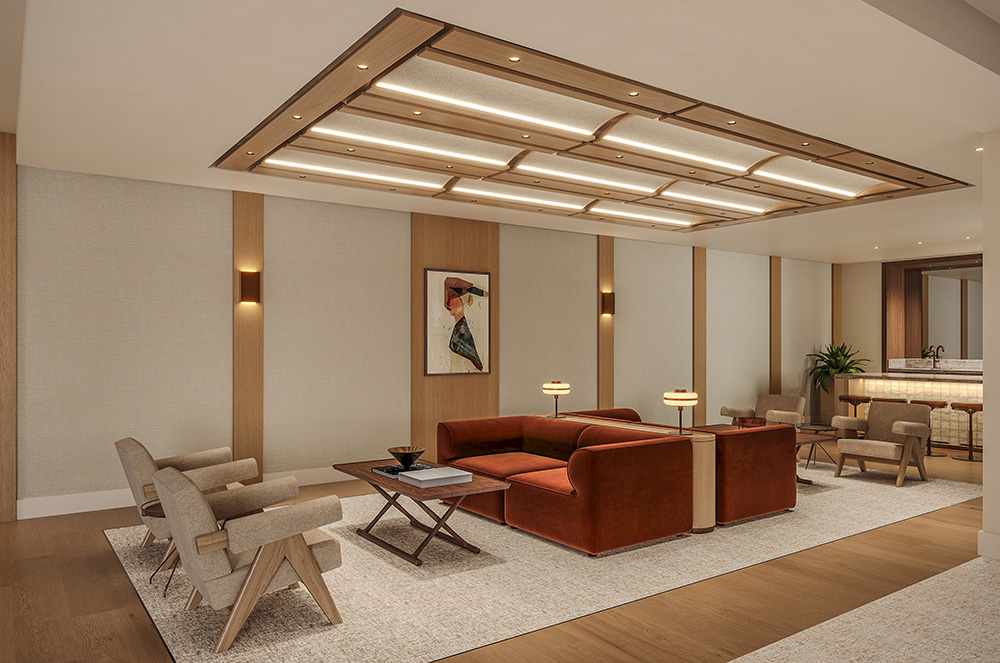
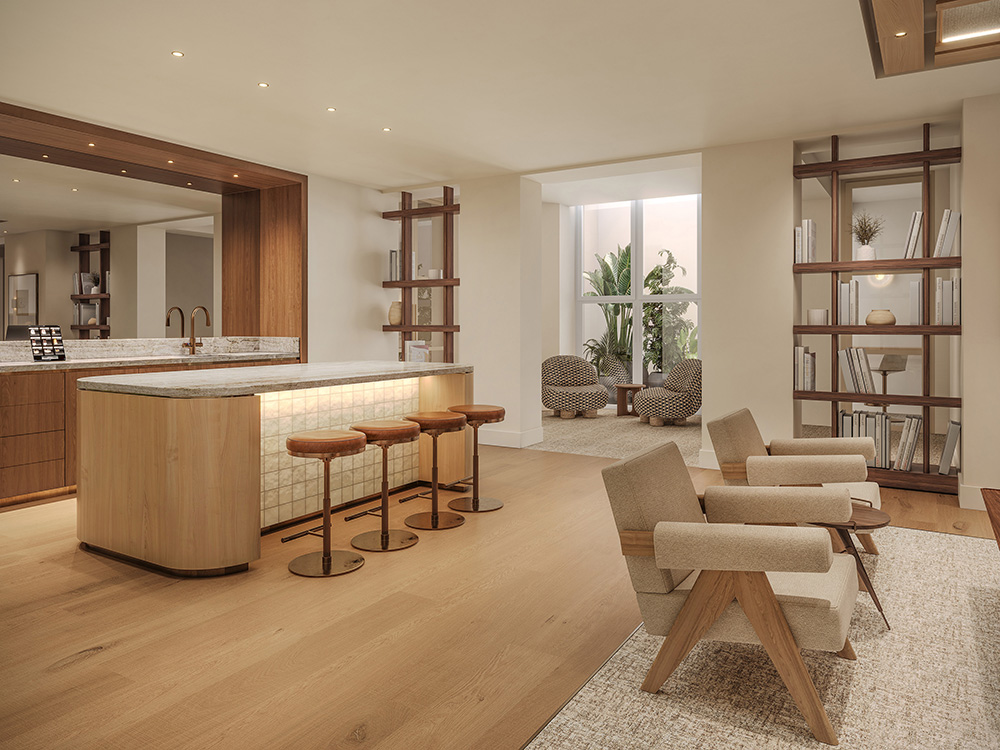
For businesses that want an elevated professional environment without the commitment of a full-time office, our coworking spaces offer a sophisticated alternative. Whether you need a refined setting for a few focused days a week or a stylish place to meet clients, our business lounges and meeting rooms provide the flexibility and quality that working from home simply can’t replicate.
Properties that make your office days count
Where you choose to work speaks volumes about your business. Our selection of exceptional properties in the capital’s finest addresses gives you the opportunity to find an area and office that reflect your ambition and provide the best working environment for your team.
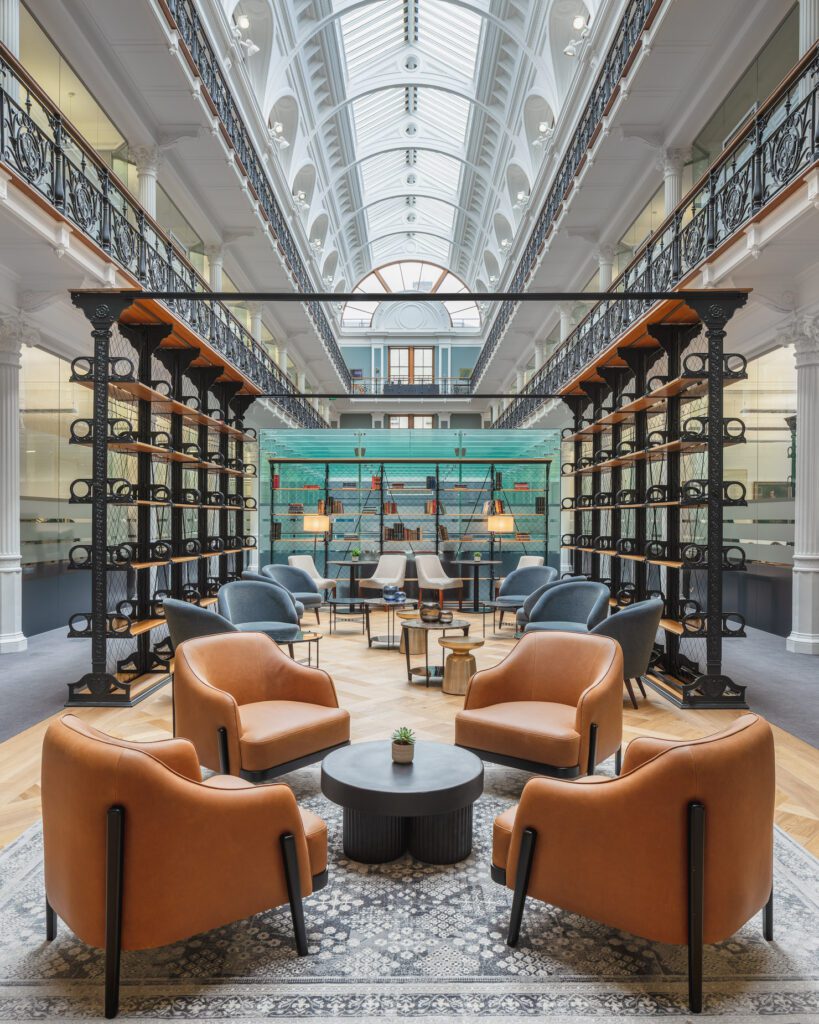
Central Court, just moments from Holborn, brings together heritage charm and a thoughtfully contemporary interior. With a flexible range of working spaces, from private offices to informal breakout areas, it’s a natural fit for businesses that value progressive, adaptable ways of working.


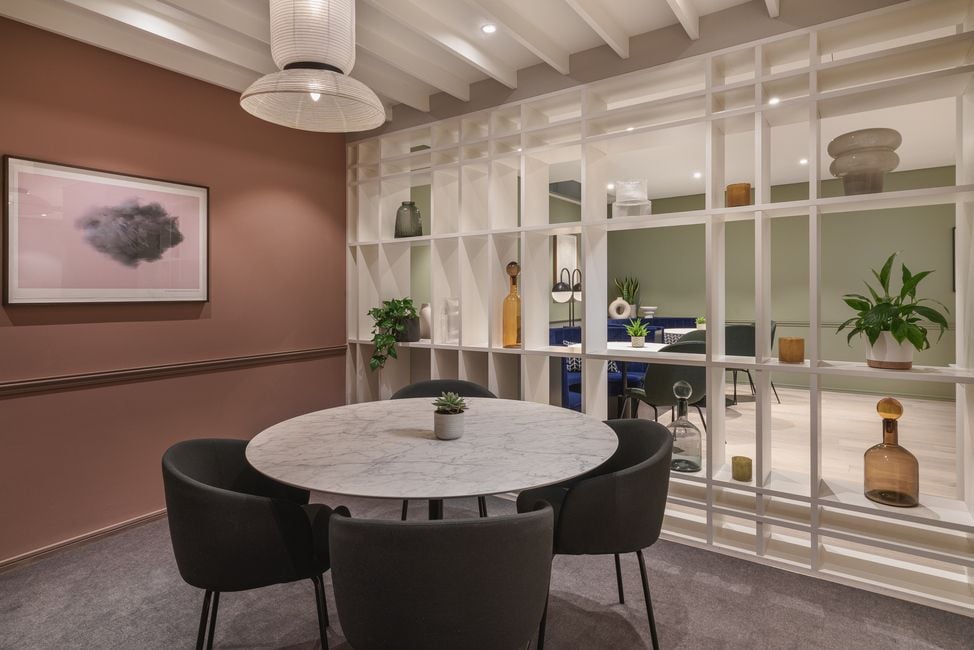
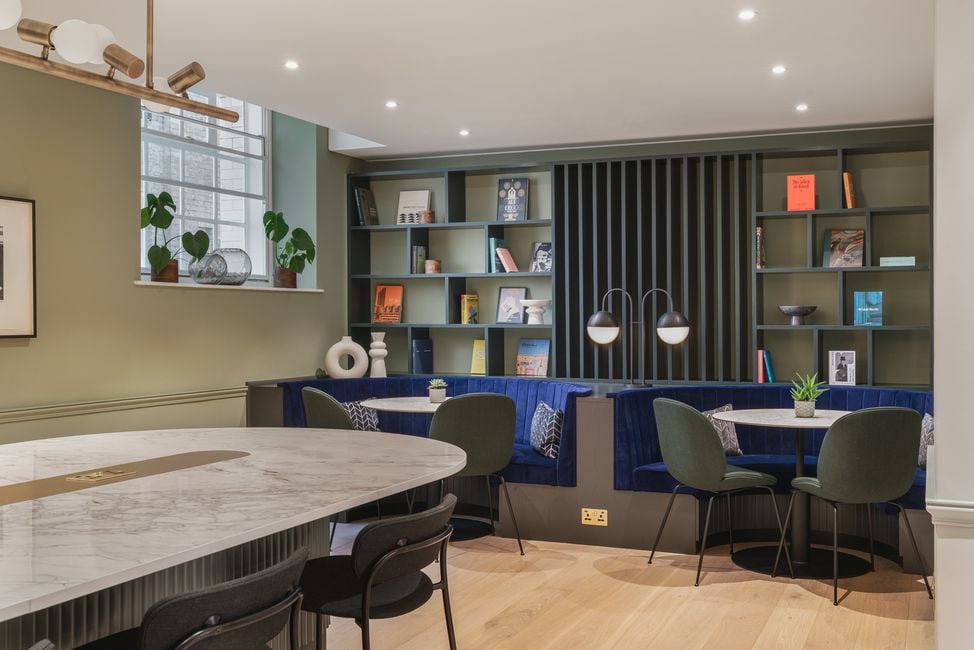
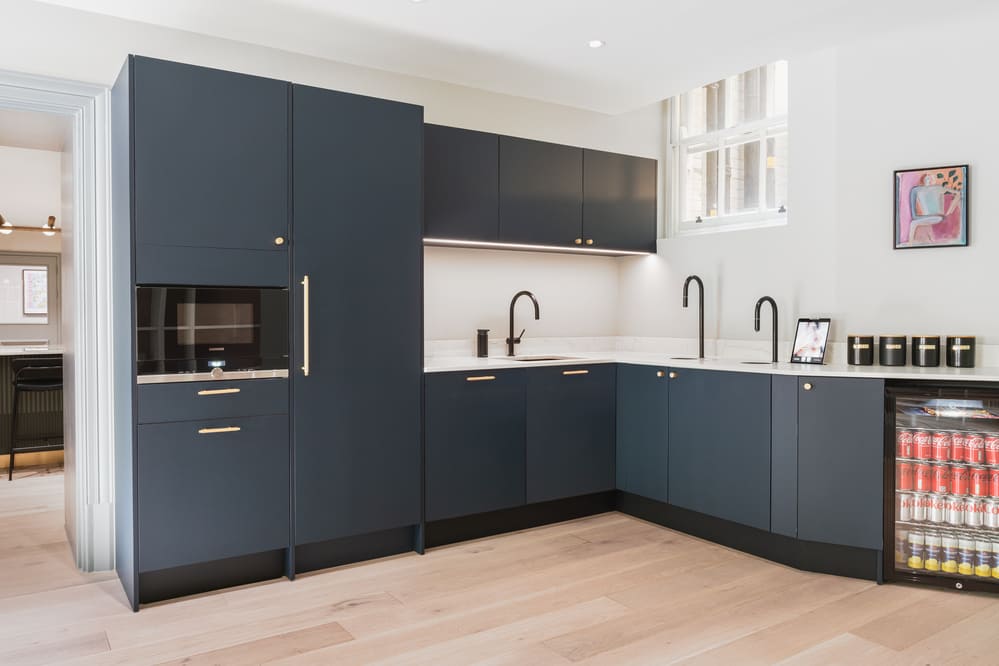


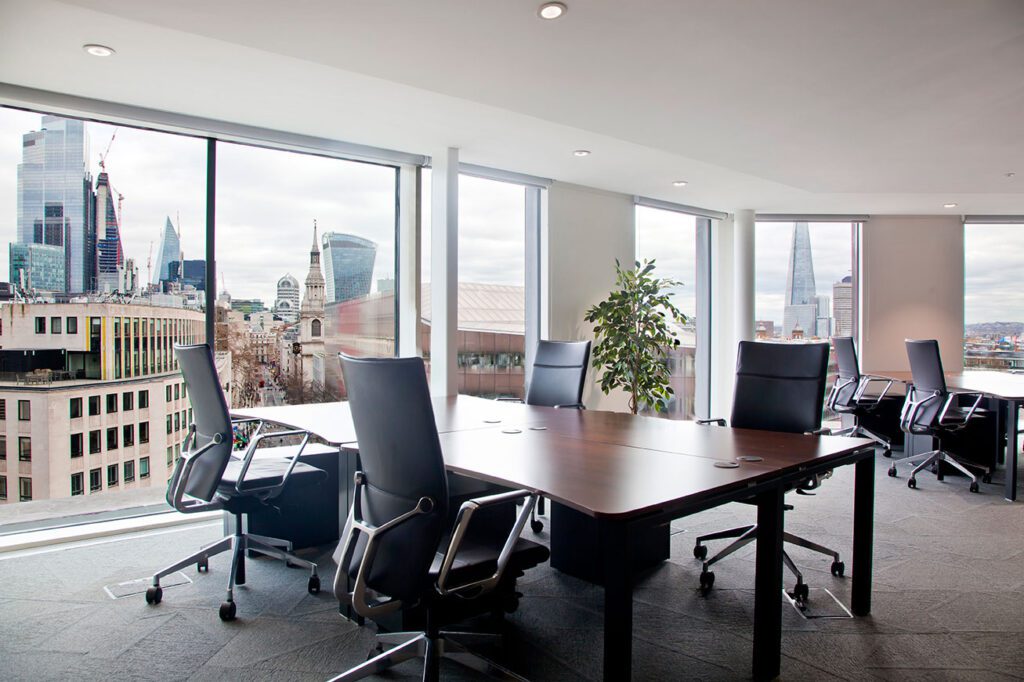
Octagon Point occupies a landmark island site on Cheapside, next door to St Paul’s Cathedral. Floor-to-ceiling windows fill the building with natural light and panoramic views across the City of London, creating a striking, contemporary workspace that balances smart design with a real sense of occasion for both your team and visiting clients.

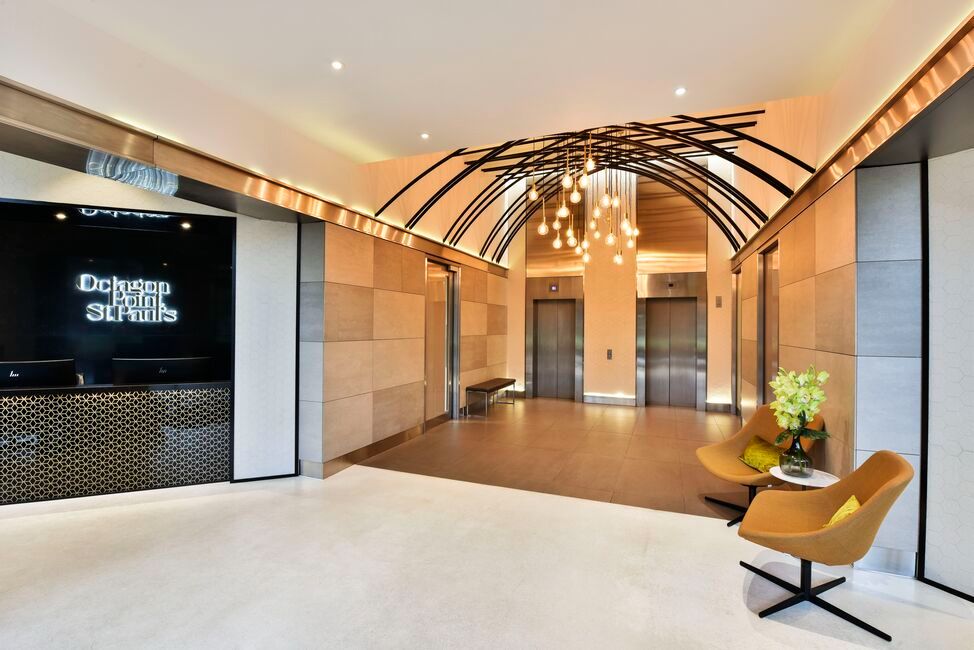
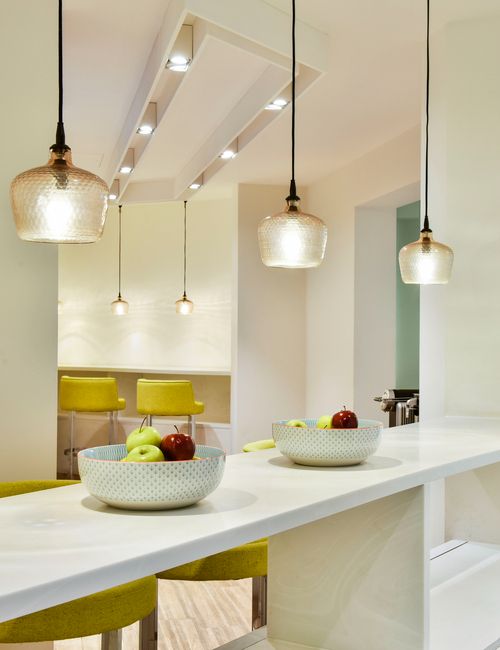
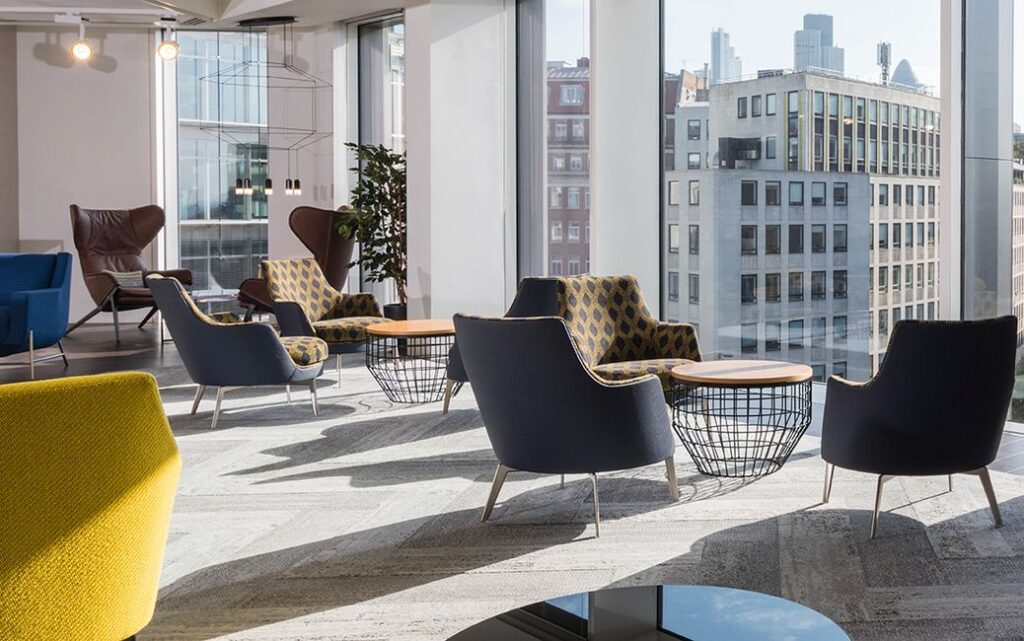
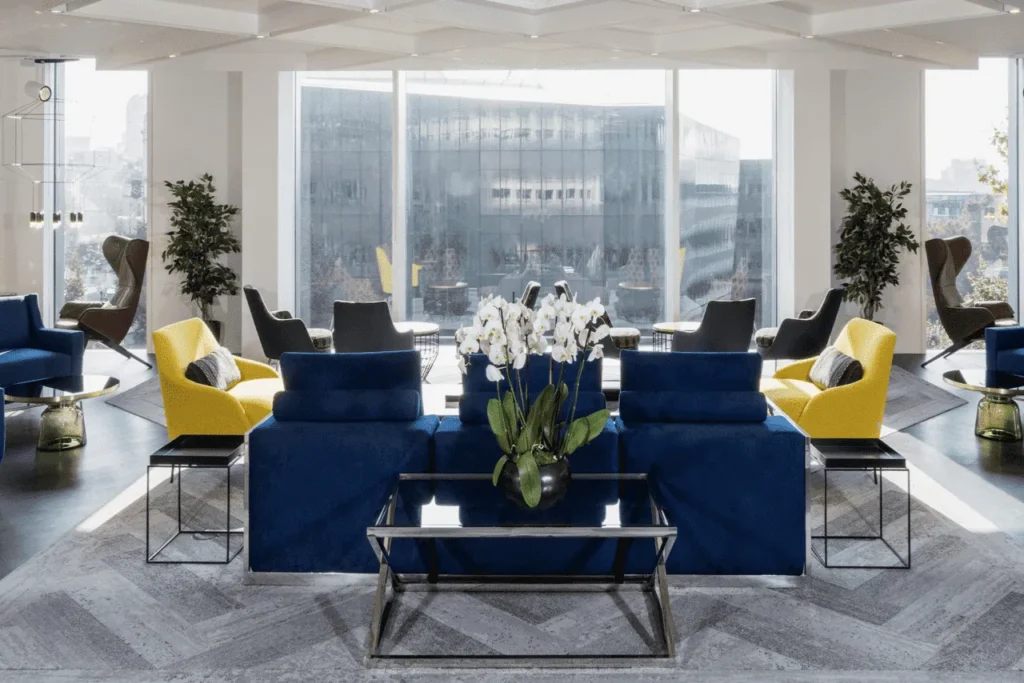
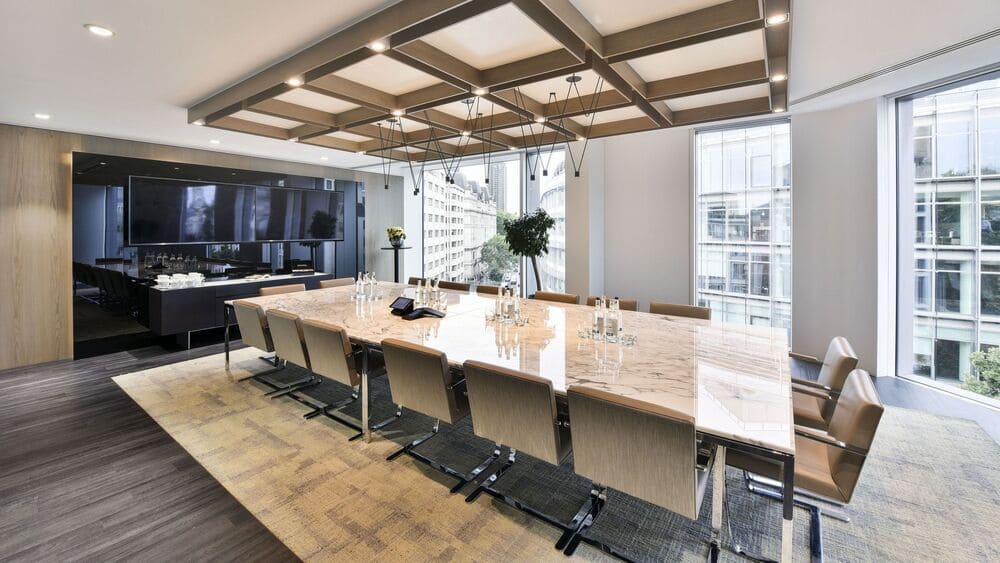
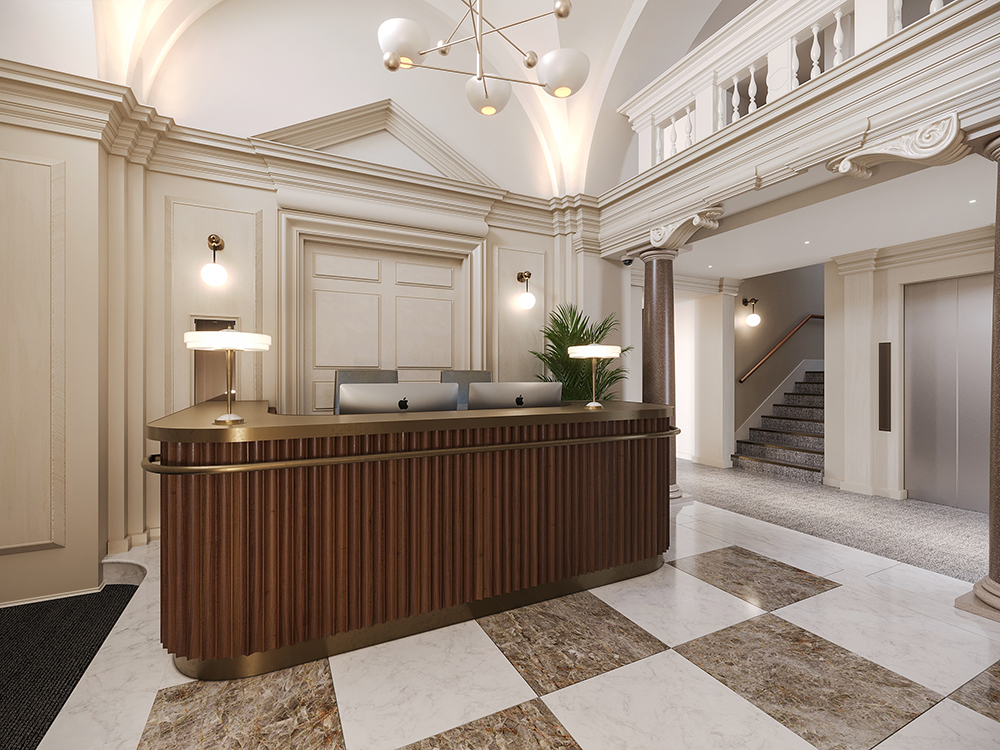
Hudson House, a Grade II listed Edwin Lutyens building on a quiet street just off Covent Garden, offers a calm, considered working environment with real architectural pedigree. Original marble floors, vaulted ceilings and heritage details have been thoughtfully reimagined for contemporary working, creating a discreet, characterful space where privacy and focused work come naturally.



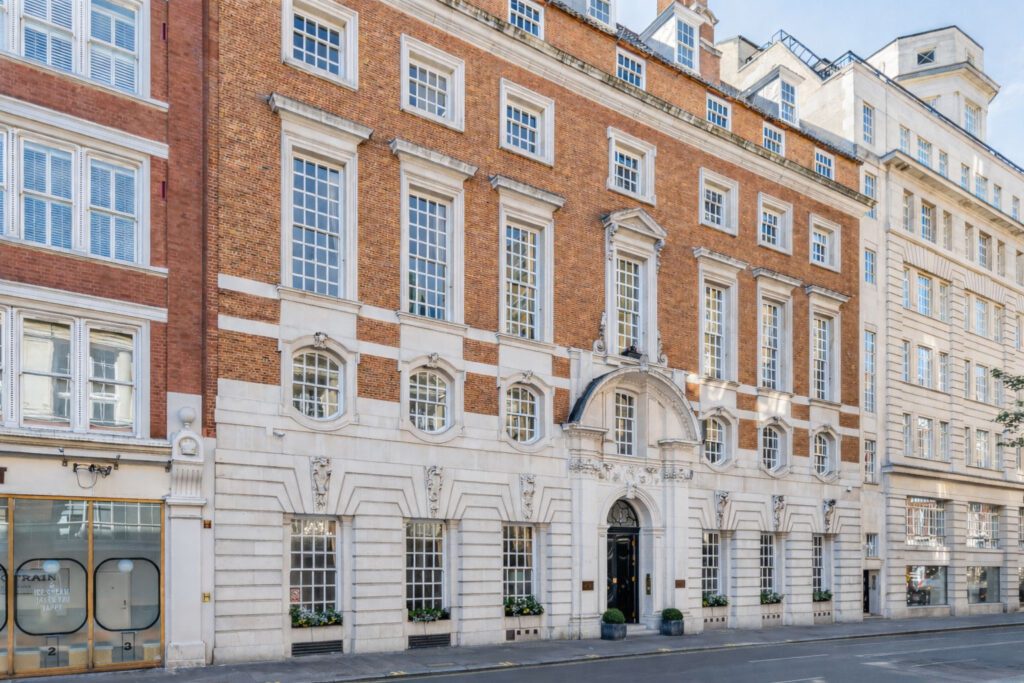
Finding the working model that works for your business
Hybrid working is now the most popular and fastest-growing model in the UK and across Europe. Fully remote offers maximum flexibility, though it can limit the collaboration and client engagement that many businesses depend on. On-site remains essential for certain roles and industries. For most ambitious, reputation-conscious businesses, a well-considered hybrid approach, supported by the right office environment, offers the best of both worlds.
When your office days are fewer, making them count matters all the more. It’s about being intentional with your time and spending it in a space that genuinely supports the work you’re there to do.
If you’re looking for a workspace designed around the way you actually work, explore our collection of distinctive serviced offices in London’s most prestigious locations, from Mayfair to the City of London, as well as our dedicated meeting rooms and coworking services.